Skip to content

PT · EN

Support Berê
Project · Bacajá River

Fish Monitoring

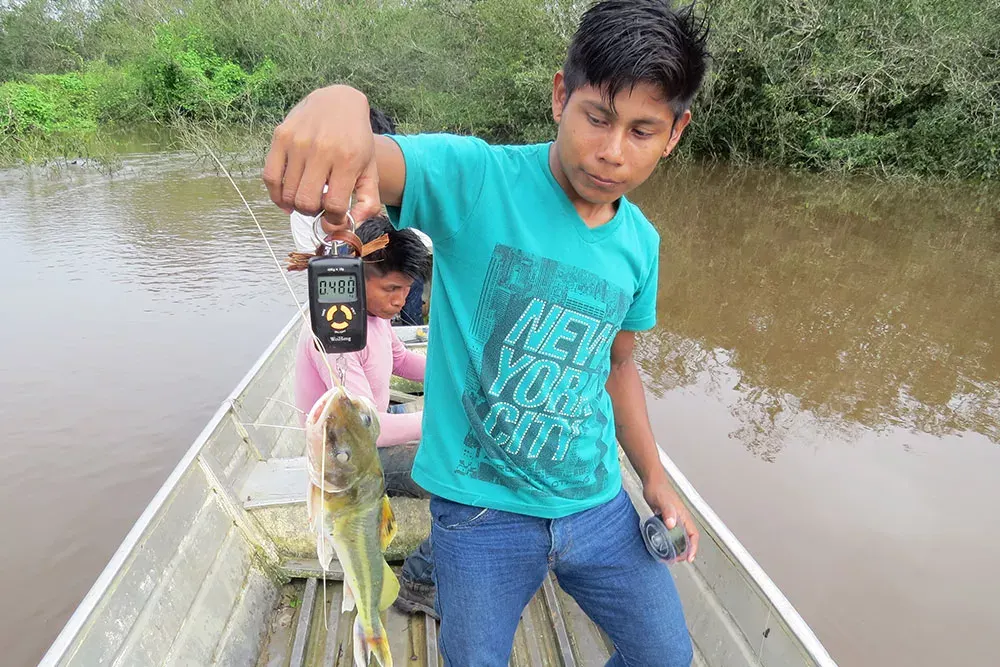
Young people from five villages trained to record fish catches and track changes in the Bacajá River after Belo Monte.

Status
Ongoing
Led by
Berê Xikrin Indigenous Association

To track the impacts of the Belo Monte dam on the Bacajá River, Berê co-executes the fish monitoring work in its member villages.

Young people from the villages of Krãnh, Prindjãm, Kabakrô, Kameredjãm and Kenoro were trained in ecology and data collection on aquatic life. Each received a kit with a scale, clipboards and tape measures to measure and record the fish caught by the communities.

The first records serve to test what was learned. The goal is for the Xikrin themselves to track, with data, the changes in the Bacajá River.

Photos: Berê Xikrin Indigenous Association archive

Support this work

Other projects

Other projects

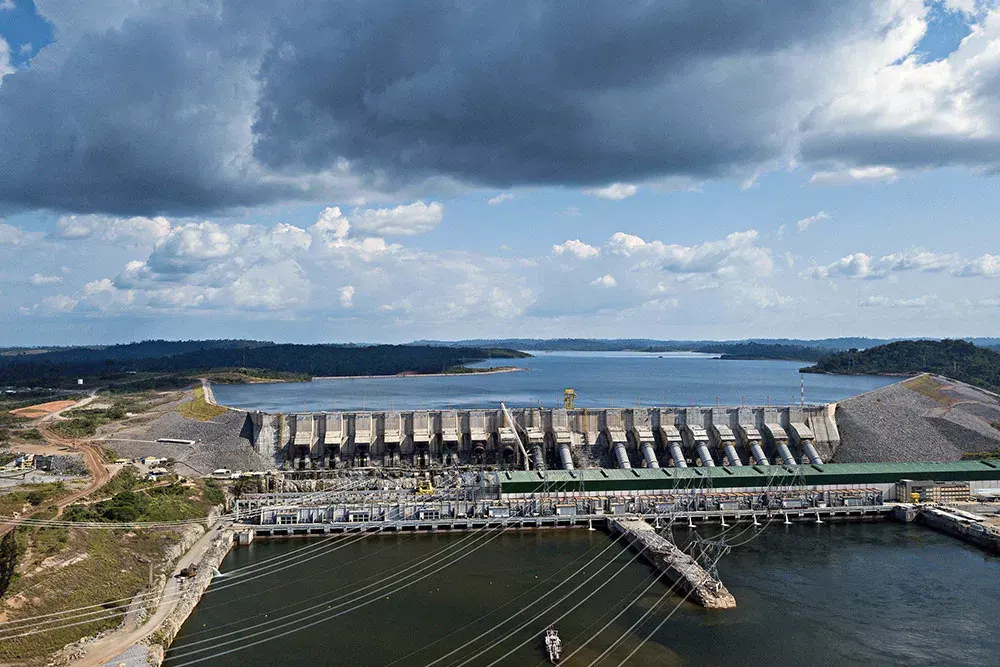
Aerial view of the Belo Monte hydroelectric dam on the Xingu River
Belo Monte

Belo Monte and PBA-⁠CI

Since the 1970s, the Xikrin people have faced large infrastructure projects in the Middle Xingu. The Association monitors and co-executes the compensation programs of the Belo Monte dam, which changed the flow of the Bacajá River.

About the project Belo Monte and PBA-⁠CI
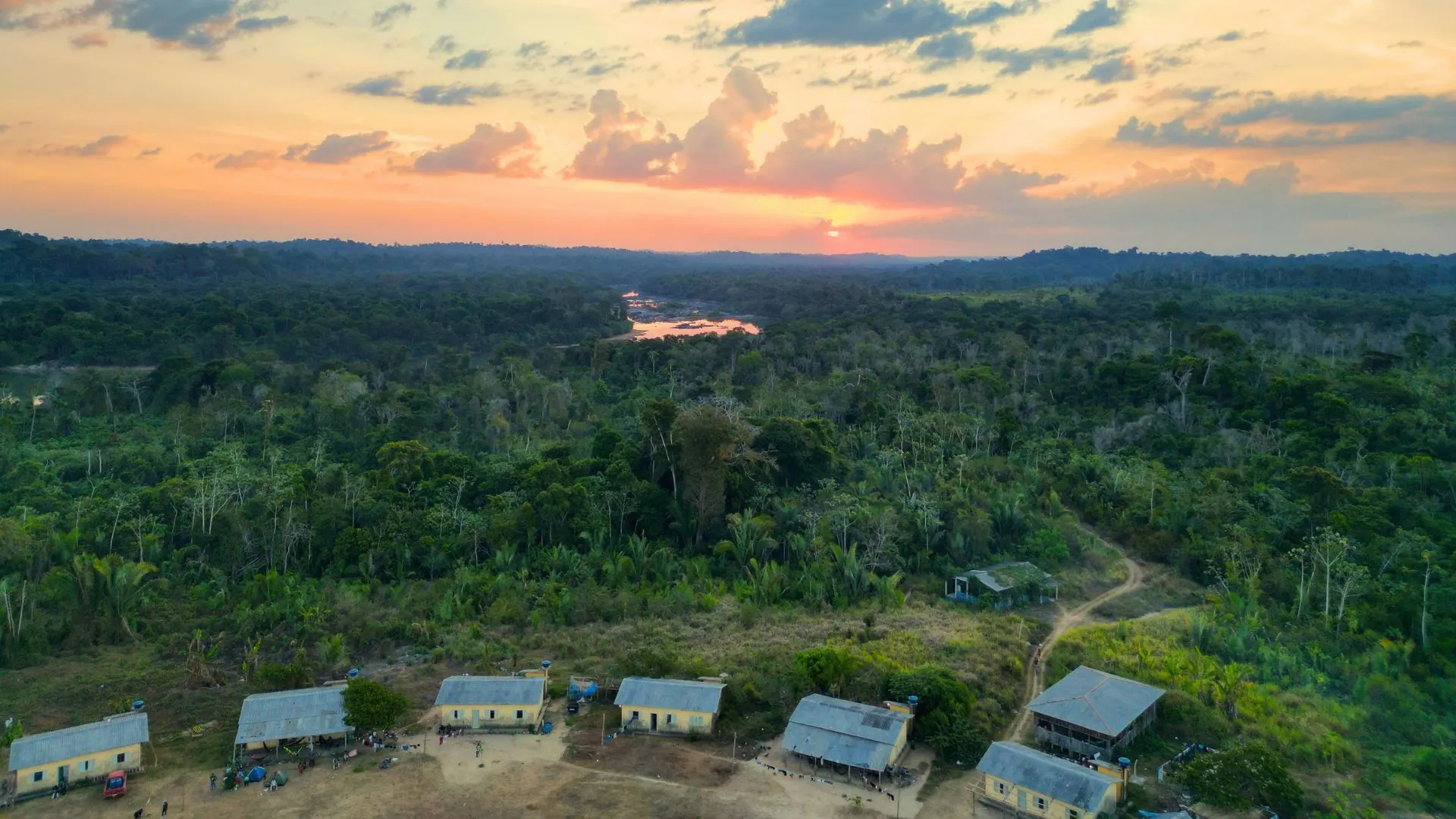
Village houses in front of the forest and the river at sunset
Territory

Restaura Amazônia

A project proposed and led by the Association: restoration with agroforestry systems, value chains for cacao, Brazil nuts, babassu and menire handicrafts, Xikrin fire brigades and Environmental Agents, and care for the villages’ water.

About the project Restaura Amazônia
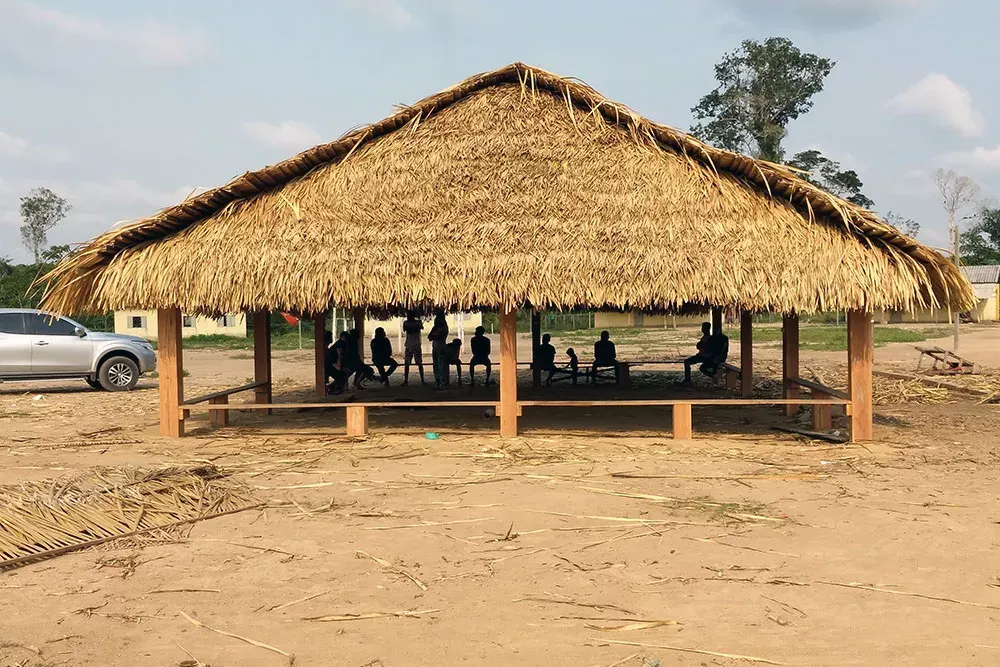
The newly built Ngàb: a large open house roofed with babassu thatch
Culture

Warriors’ House

Building the Ngàb, the warriors’ house, the political space where each village makes its decisions and learns from the Kubengêt.

About the project Warriors’ House